Commercial Tree Removal in Allentown, PA
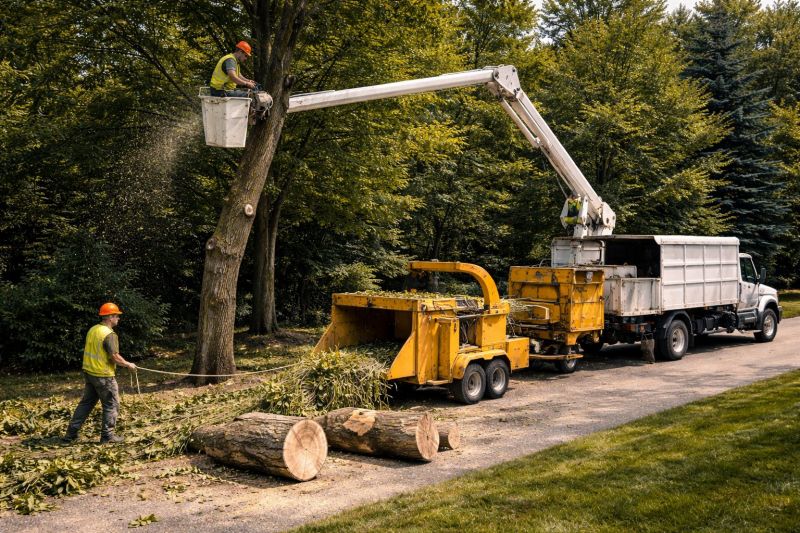
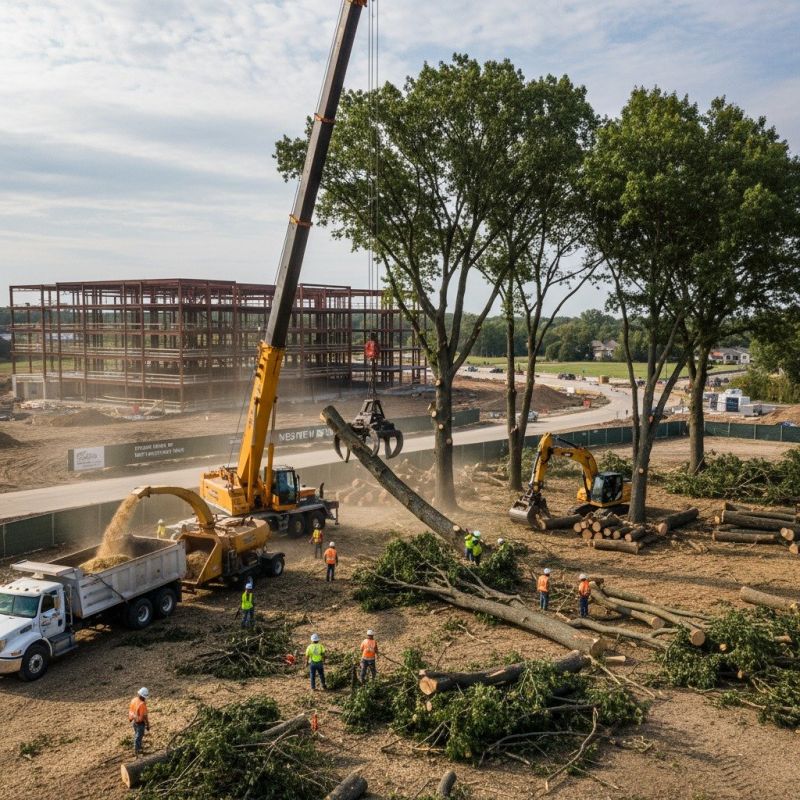
Commercial tree removal services involve the careful removal of trees from residential or commercial properties, typically to improve safety, facilitate construction, or maintain landscape aesthetics. These projects can include removing dead or hazardous trees, clearing space for new development, or managing overgrown areas. Property owners should understand the extent of the removal process, including the potential impact on surrounding landscaping and structures, as well as any necessary permits or regulations that may apply in the area.
Before requesting commercial tree removal, property owners often seek information about the scope of work, the equipment used, and the experience of the service provider. It’s important to consider the size and location of trees to be removed, as well as any potential challenges such as proximity to utility lines or buildings. Clarifying these details can help ensure the project proceeds smoothly and aligns with safety standards and property goals.
Many property owners in Allentown, PA look into Commercial Tree Removal for repairs, replacements, upgrades, and appearance-related improvements.
Tree Removal For Property Safety
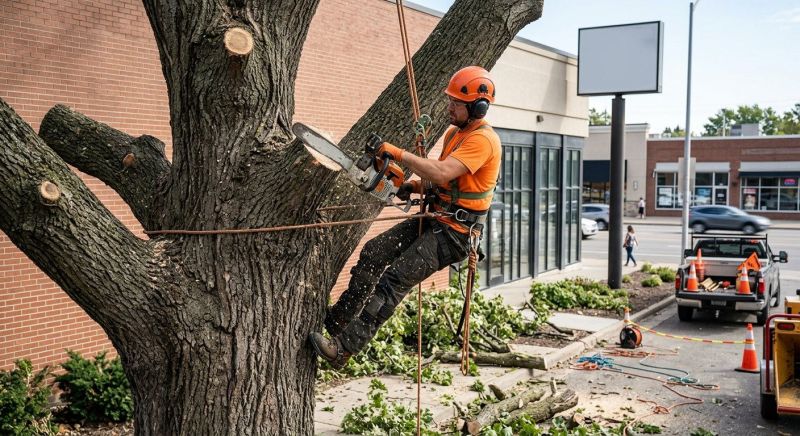
Removing hazardous or damaged trees helps protect your home and surroundings.
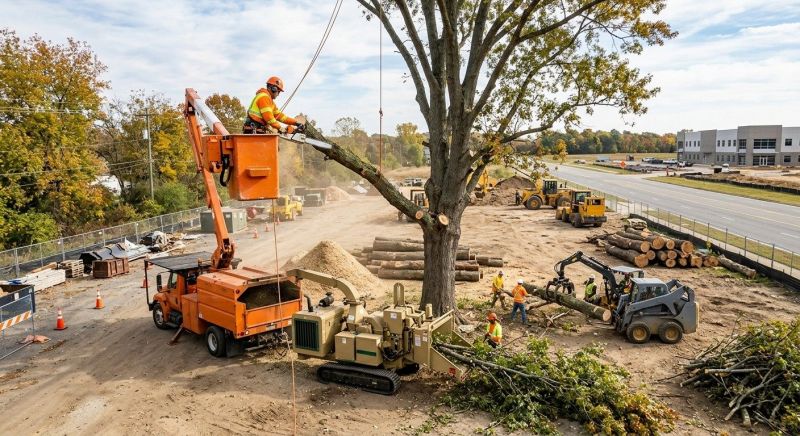
Clearing Space For Landscaping
Tree removal can create open areas for new planting or outdoor projects.
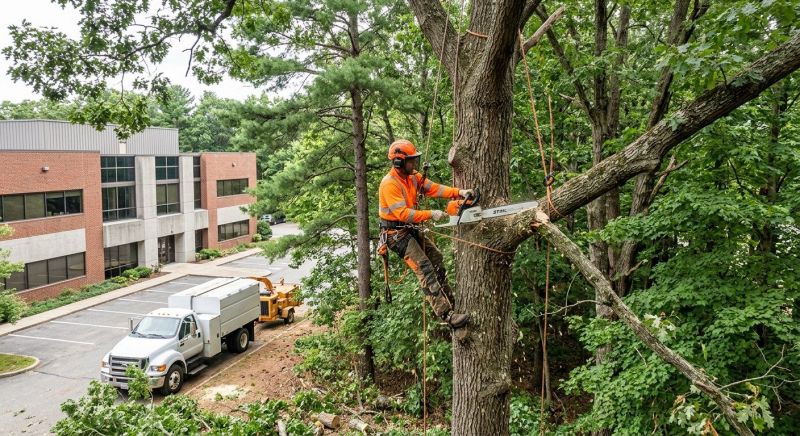
Managing Overgrown Trees
Trimming or removing overgrown trees maintains the health and aesthetics of your landscape.
Commercial Tree Removal in Allentown, PA
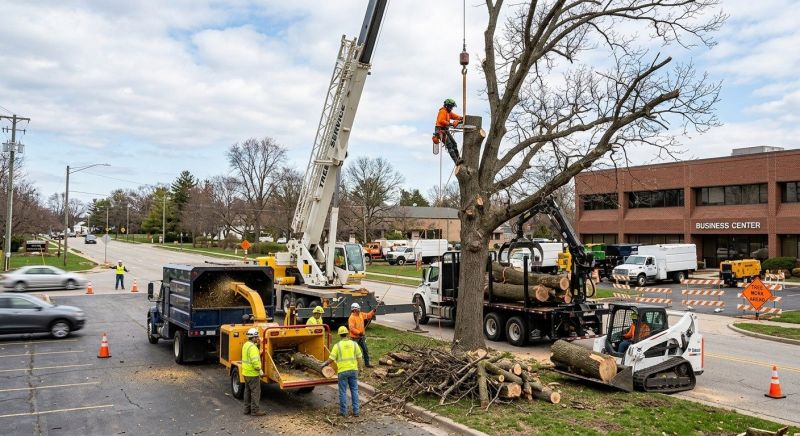
Commercial tree removal services involve the careful removal of trees from residential or commercial properties, typically to improve safety, facilitate construction, or maintain landscape aesthetics. These projects can include removing dead or hazardous trees, clearing space for new development, or managing overgrown areas. Property owners should understand the extent of the removal process, including the potential impact on surrounding landscaping and structures, as well as any necessary permits or regulations that may apply in the area.
Before requesting commercial tree removal, property owners often seek information about the scope of work, the equipment used, and the experience of the service provider. It’s important to consider the size and location of trees to be removed, as well as any potential challenges such as proximity to utility lines or buildings. Clarifying these details can help ensure the project proceeds smoothly and aligns with safety standards and property goals.
Many property owners in Allentown, PA look into Commercial Tree Removal for repairs, replacements, upgrades, and appearance-related improvements.
Common Commercial Tree Removal Jobs
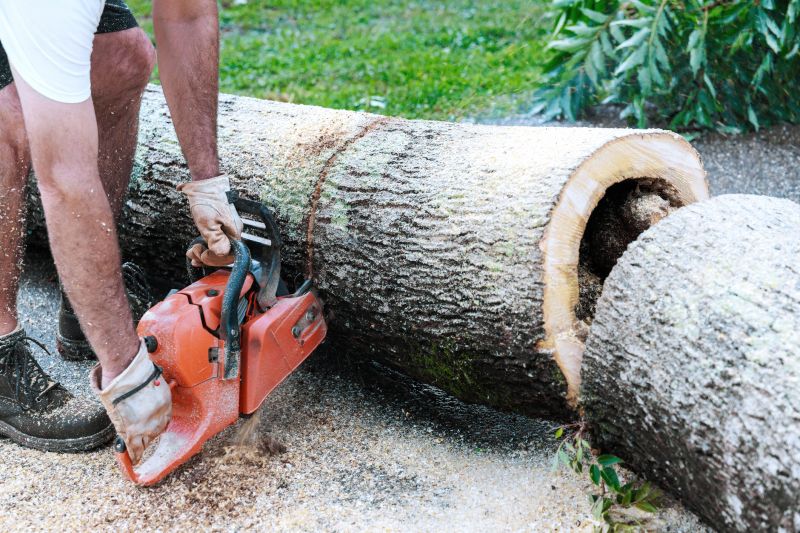
Commercial Tree Removal - safely removes trees that pose a risk to property or safety.
Hazard Tree Removal - eliminates damaged or unstable trees that could fall unexpectedly.
Site Clearing - prepares land for development or landscaping by removing unwanted trees and brush.
Storm Damage Cleanup - clears fallen or broken trees after severe weather events.
Selective Tree Removal - removes specific trees to improve property aesthetics or health of remaining trees.
Emergency Tree Services - provides urgent removal of trees threatening structures or power lines.
Commercial Tree Removal Questions
What types of trees are suitable for removal? Trees that pose safety risks, are dead or diseased, or interfere with structures are common reasons for removal.
Why might a property owner need commercial tree removal? Reasons include clearing space for development, removing hazards, or managing overgrown landscapes.
Is stump removal part of the service? Yes, stump removal is often included to ensure complete clearance and prevent regrowth.
What should be considered before removing a tree? Factors include tree health, location, potential impact on property, and local regulations or permits.
Request Commercial Tree Removal in Allentown, PA
Use the quote form on this page to share the basics of your project and request more information for the type of work you need.